What To Expect Before, During, and After Dental Bridge Placement
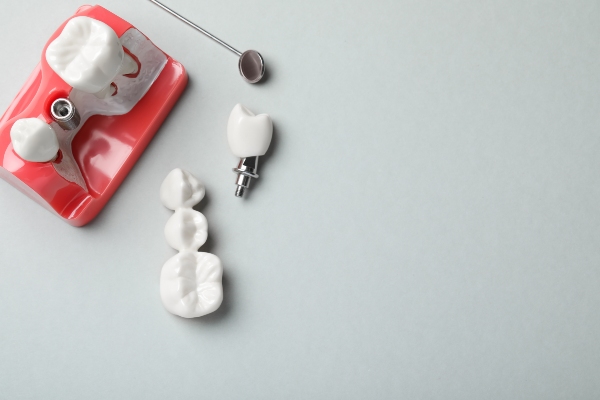
Losing a tooth can make daily activities like chewing feel difficult, but a dental bridge offers a predictable way to restore smile function and appearance. Still, it is normal to be initially unsure if they are the right tooth replacement for you. Although they may take a few appointments, bridges work well for many patients. Understanding the steps involved can reveal whether a dental bridge may help you along the path toward a fuller smile.
Before dental bridge placement
Evaluation and planning
The dental bridge process begins with a thorough exam of the patient’s smile. The general, cosmetic, or family dentist evaluates the size of the gap, the condition of the neighboring teeth, and the health of the surrounding gums. They can discuss all options for tooth replacement, from bridges to partial dentures. If the patient and dentist decide that a bridge is the best path forward, the conversation will move on to discussing the types of bridges. These include:
- Traditional. Fills the gap with a false tooth (pontic) anchored on either side by natural teeth; these anchor teeth will be outfitted with dental crowns.
- Cantilever. Like a traditional bridge, but it uses only one natural tooth, capped with a crown, as the anchor.
- Maryland. The pontic is anchored by a winglike framework on the tongue-facing side of adjacent natural teeth.
- Implant-supported. Replaces several missing teeth in a row by anchoring the pontic to false tooth roots called dental implants, which are also topped with crowns.
Taking X-rays is a major part of this phase, as well. This step allows the dentist to see whether the density of the bone and the roots of the anchor teeth are strong enough to support the desired bridge type.
Preparing for bridge placement
The next appointment will be to prepare the adjacent teeth, or abutment teeth, for the dental bridge. The general, cosmetic, or family dentist will carefully shape them to serve as a strong anchor for the false tooth. They will use a local anesthetic and often a numbing gel for patient comfort.
Next, the dentist takes digital scans or physical impressions of the area. They send these records to a dental lab, where a technician crafts the permanent bridge. Expect to have a temporary bridge for one to two weeks until the permanent one is ready.
What to expect during bridge placement
Once the permanent dental bridge comes back from the lab, the patient can return for the fitting. The general, cosmetic, or family dentist removes the temporary bridge and cleans the prepared teeth. Finally, they fit and bond the permanent one in place. They will check the color, shape, and fit, ensuring that it feels as it should and looks great. If the bridge starts to feel high while biting or becomes loose, the dentist can adjust it during a quick trip back to the office.
After bridge placement
A brief adjustment period of about two to three weeks is common as the brain and the jaw muscles adjust to the permanent dental bridge. After this, it should feel like a natural part of the smile. Caring for it is mostly the same as for natural teeth, as well. The only difference is that the patient will need to clean plaque out from beneath the pontic, such as with a floss threader.
Book an appointment
Want to learn more about dental bridges? Contact our New York office. We help patients replace teeth with bridges that look beautiful and feel natural.
Request an appointment here: https://dentalimplantcenternyc.com or call Dental Implant Center NYC at (212) 500-0365 for an appointment in our New York office.
Check out what others are saying about our dental services on Yelp: Dental Bridges in New York, NY.
Related Posts
A loose dental crown can make chewing feel awkward and leave the tooth underneath more exposed to damage. Because a dental crown covers and protects a weakened or treated tooth, it is important to address movement as soon as possible. Even if the crown has not fallen off, a loose fit may allow bacteria, food…
An implant crown is an important part of dental implants. This is a cap that goes on the end of the implant, acting as the tooth. It is natural-looking in color, shape, and size. If you are missing a tooth, you should not have to live with a gap in your mouth. This treatment can…
When missing teeth affect your overall quality of life, implant supported dentures offer a solid, lasting fix to restore a healthy smile and clear speech. Modern dental care gives patients great choices for full-mouth restoration. However, few options match the strength and everyday ease of anchor-supported dentures. If you are tired of loose plates or…
Are you looking to improve the appearance of your smile? While there are several ways to improve your smile, dental veneers are a popular and effective option to brighten and balance your teeth. However, are they the right choice for you and your needs? Here is what you should know about dental veneers and whether…